Embrace Pet Insurance
Accident and illness cover with an optional wellness rewards plan for routine care such as dental cleanings and bloodwork.
Get an Embrace quoteLifespan data for 277 breeds, calculators built on studies of over 580,000 dogs, and senior care guides that say what the evidence supports. Start with your breed.
Mixed breed? Try the lifespan calculator by size.

Typical lifespan, the age each breed becomes a senior, the conditions that shorten its life and what to do about them.












The questions owners ask most, answered by age and size, each with its own page.
Every formula cites its study. Nothing is stored and there is nothing to sign up for.
Breed range adjusted by sex, neutering and body condition, with the study behind each number.
Human-year equivalent by size, the epigenetic clock, and your dog’s current life stage.
Daily calories and cups per day for your food. Portion control is the biggest lever you own.
Body condition score to target weight, with a safe pace and a calorie target.
Predicted adult weight and a growth curve for your puppy’s size class.
When the senior stage starts for your breed and what to do in it.
Three things explain most of the difference between a dog that reaches eight and one that reaches fifteen.
Small breeds reach a 12.7-year median, large breeds 11.9, and the shortest-lived breeds are all giants, from the Caucasian Shepherd at 5.4 years to the St Bernard at 9.3.
Overweight dogs lived 5 months to 2.5 years less across 12 breeds. Lean-fed Labradors lived 1.8 years longer and developed arthritis two years later.
Senior begins in the last quarter of expected lifespan. Six-monthly exams, dental care and pain control are where healthy years are won or lost.

Senior starts in the last quarter of expected lifespan: 11 for toys, 8 for large breeds, 6 to 7 for giants.

The home, vet and monthly routine that catches problems early in older dogs.
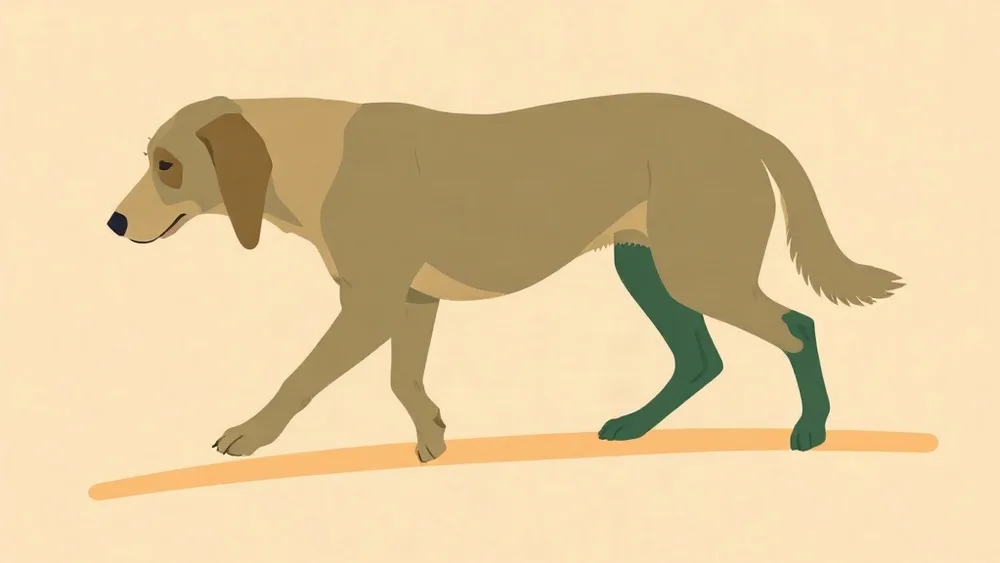
Most senior dogs have it and most are under-treated. Signs, treatments and evidence.

Fewer calories, not less protein. Portions, labels and claims to ignore.
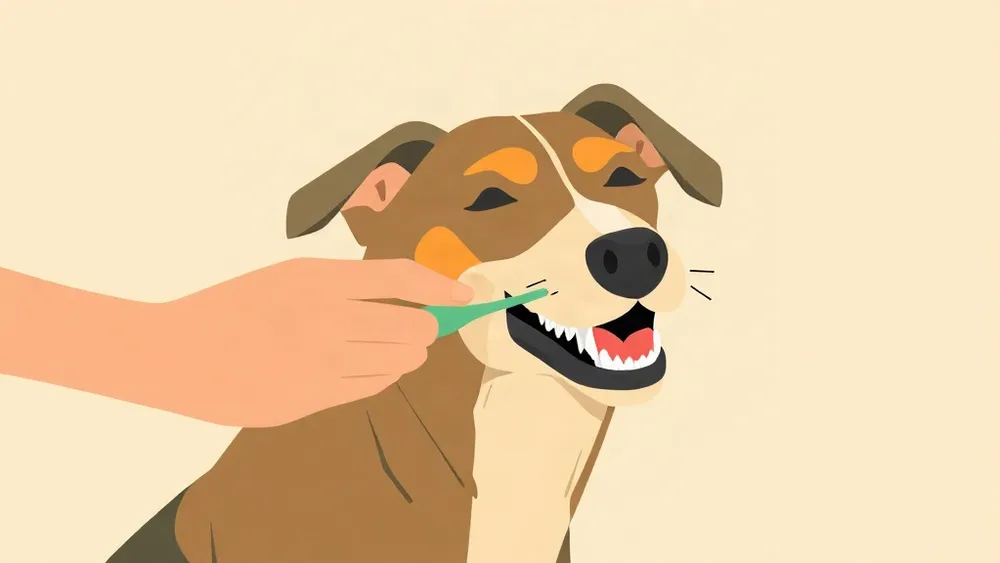
Most dogs have it by middle age; it is linked to heart, kidney and liver disease. What to do.

Signs (DISHAA), what to rule out, and what helps: diet, drugs, enrichment.
Pet insurance excludes anything diagnosed before enrollment. For breeds with expensive hereditary conditions, the cheapest policy is the one bought while the dog is young and healthy.
Accident and illness cover with an optional wellness rewards plan for routine care such as dental cleanings and bloodwork.
Get an Embrace quoteApp-first insurer with fast claims and add-ons for vet visit fees, dental illness, and physical therapy.
Get a Lemonade quoteSingle accident-and-illness plan with no annual or lifetime payout caps.
Get a Healthy Paws quoteTailyears is reader-supported. Some links on this page are affiliate links: if you buy or get a quote through them we may earn a commission at no extra cost to you. This never changes what we recommend, and it never replaces advice from your veterinarian.
Breed sizes, weights and life expectancy ranges come from AKC breed data. Population lifespans come from two UK studies: VetCompass life tables (Teng 2022, 30,563 dogs) and McMillan et al. 2024 (584,734 dogs, 155 breeds). Lifestyle effects come from Salt 2019, Kealy 2002 and Hoffman 2013. Health watchlists are curated from breed club surveys and the veterinary literature for 110 breeds and size-based for the rest. Breed photographs come from Wikimedia Commons and are credited on each page. Full methodology and sources.