Embrace Pet Insurance
Accident and illness cover with an optional wellness rewards plan for routine care such as dental cleanings and bloodwork.
Get an Embrace quoteLarge breeds live a median of 11.9 years and giants typically 7 to 10, against 12.7 for small breeds. The difference is growth rate, and it is the strongest predictor of lifespan in dogs. Here is what the data says, which big breeds live longest and shortest, and how owners add years.
Within the dog species, the bigger the dog, the shorter the life. The best-supported explanation is growth: giant puppies multiply their birth weight roughly a hundredfold in 18 months, and that pace is associated with earlier cancer (bone cancer above all), earlier heart muscle disease, bloat in deep chests, and joints that wear out. After maturity big dogs also age faster, about 6 to 7 human years per dog year against 4 for small breeds, so a 7-year-old giant is already elderly.
In the 2024 UK study, large breeds had a median of 11.9 years and the five shortest-lived breeds of 155 were all giants: Caucasian Shepherd Dog 5.4, Perro de Presa Canario 7.7, Cane Corso 8.1, Mastiff 9, Saint Bernard 9.3 years.
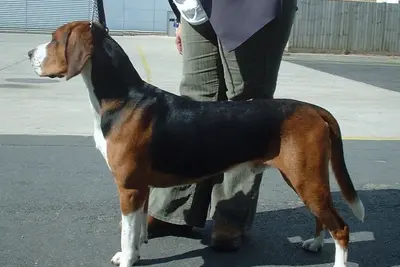
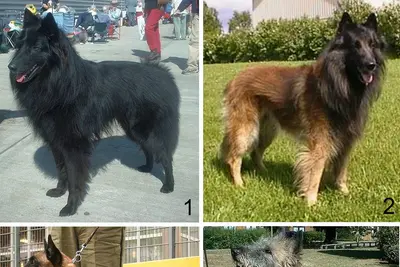
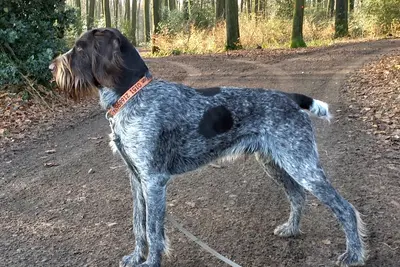
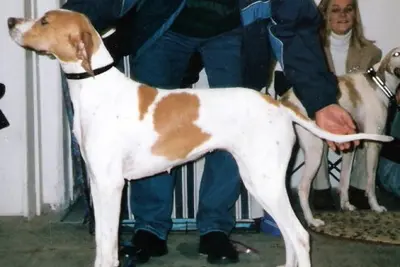
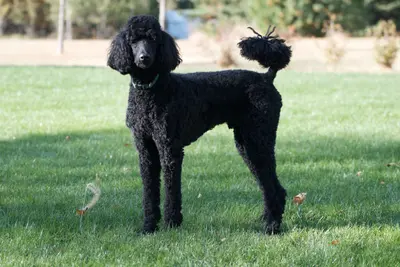
Full ranking of all 133 large and giant breeds: longest-living large dog breeds.
| # | Breed | Typical lifespan | Measured | Size | Senior from |
|---|---|---|---|---|---|
| 1 | 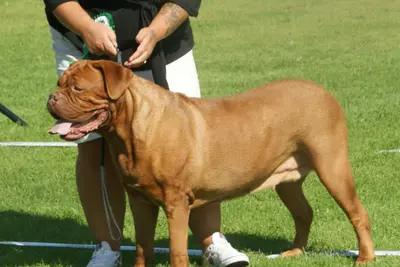 | 5–8 yr | — | Large · 99–110 lb | 5 yr |
| 2 | 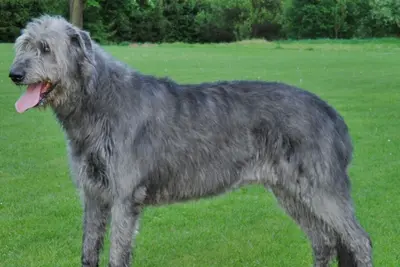 | 6–8 yr | — | Giant · 105–120 lb | 5.5 yr |
| 3 | 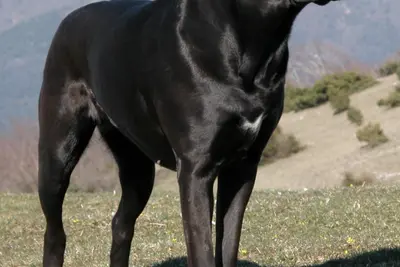 | 7–9 yr | — | Giant · 110–150 lb | 6 yr |
| 4 | 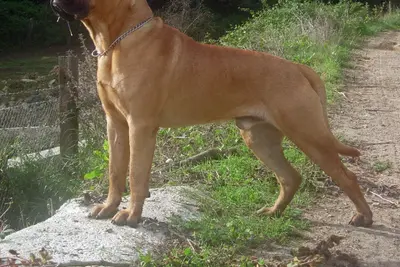 | 7–9 yr | — | Giant · 100–130 lb | 6 yr |
| 5 | 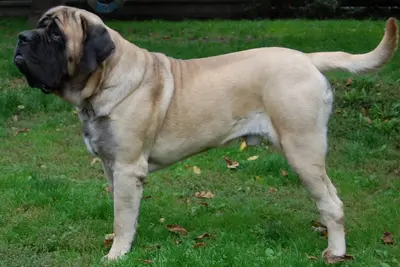 | 6–10 yr | 9 yr (UK 2024) | Giant · 120–230 lb | 6 yr |
| 6 | 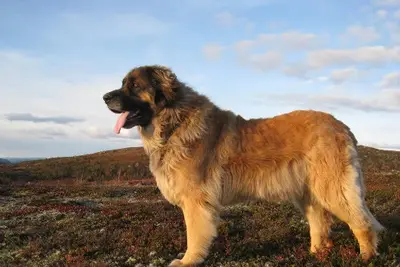 | 8–9 yr | — | Giant · 90–170 lb | 6.5 yr |
| 7 | 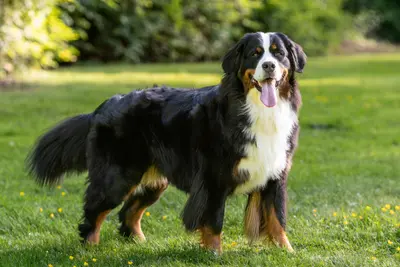 | 7–10 yr | — | Large · 70–115 lb | 6.5 yr |
| 8 | 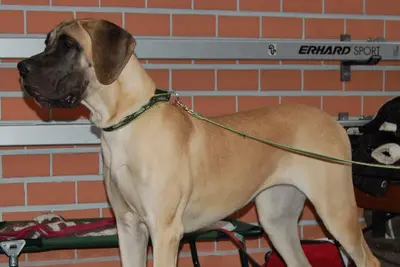 | 7–10 yr | — | Giant · 110–175 lb | 6.5 yr |
| 9 | 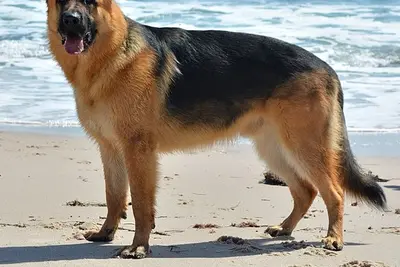 | 7–10 yr | 10.78 yr (UK 2022) | Large · 50–90 lb | 6.5 yr |
| 10 | 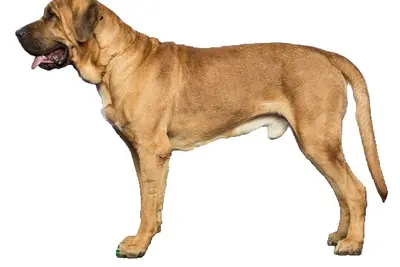 | 8–10 yr | — | Giant · 90–150 lb | 7 yr |
Cruciate surgery, bloat surgery and cancer treatment in a 100 lb dog run into thousands. Insure while the dog is young and healthy; conditions on the record at enrollment are excluded.
Accident and illness cover with an optional wellness rewards plan for routine care such as dental cleanings and bloodwork.
Get an Embrace quoteApp-first insurer with fast claims and add-ons for vet visit fees, dental illness, and physical therapy.
Get a Lemonade quoteSingle accident-and-illness plan with no annual or lifetime payout caps.
Get a Healthy Paws quoteTailyears is reader-supported. Some links on this page are affiliate links: if you buy or get a quote through them we may earn a commission at no extra cost to you. This never changes what we recommend, and it never replaces advice from your veterinarian.
Large breeds (55–100 lb) had a median lifespan of 11.9 years in the 2024 UK study of 584,734 dogs, against 12.7 for small breeds. Typical breed ranges are 9 to 12 years for large breeds and 7 to 10 for giants (over 100 lb). The five shortest-lived breeds in the study were all giants.
Growth rate. A giant puppy adds 100 lb in 18 months, and that pace is linked with earlier cancer (especially osteosarcoma), dilated cardiomyopathy, bloat and joint failure. After maturity big dogs also age faster: about 6 to 7 human years per dog year against 4 for small breeds.
By breed-standard range, the Hamiltonstovare (14–17 years) leads the large breeds, followed by the Belgian Malinois and German Wirehaired Pointer. The full list: longest-living large dog breeds.
Measured medians from the 2024 UK study: Caucasian Shepherd Dog 5.4, Perro de Presa Canario 7.7, Cane Corso 8.1, Mastiff 9, Saint Bernard 9.3 years. All are giants.
From about 7 to 8 years for large breeds and 6 to 7 for giants (senior = last quarter of expected lifespan, AAHA 2019). A 7-year-old Great Dane is elderly; a 7-year-old Labrador is on the threshold.
Some large dogs do, almost always athletic breeds kept lean all their lives. For giants it is exceptional. Weight control is the biggest lever: lean-fed Labradors lived 1.8 years longer than free-fed littermates in a 14-year controlled study.